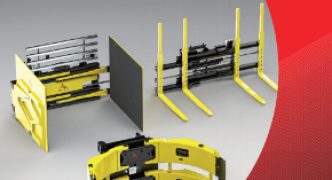
Efficient pallet handling is essential in modern warehousing, logistics, and manufacturing. As throughput continues to increase, transporting only one pallet at a time often limits productivity and increases operating costs.
A Single-Double Pallet Handler is designed to solve this challenge by allowing forklifts to handle either one pallet or two pallets in a single trip, improving efficiency without sacrificing load stability.
What Is a Single-Double Pallet Handler?
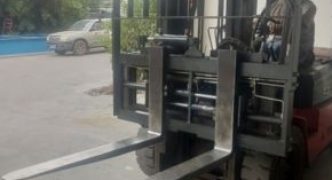
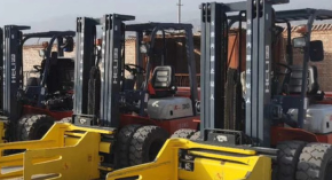
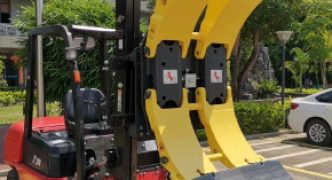
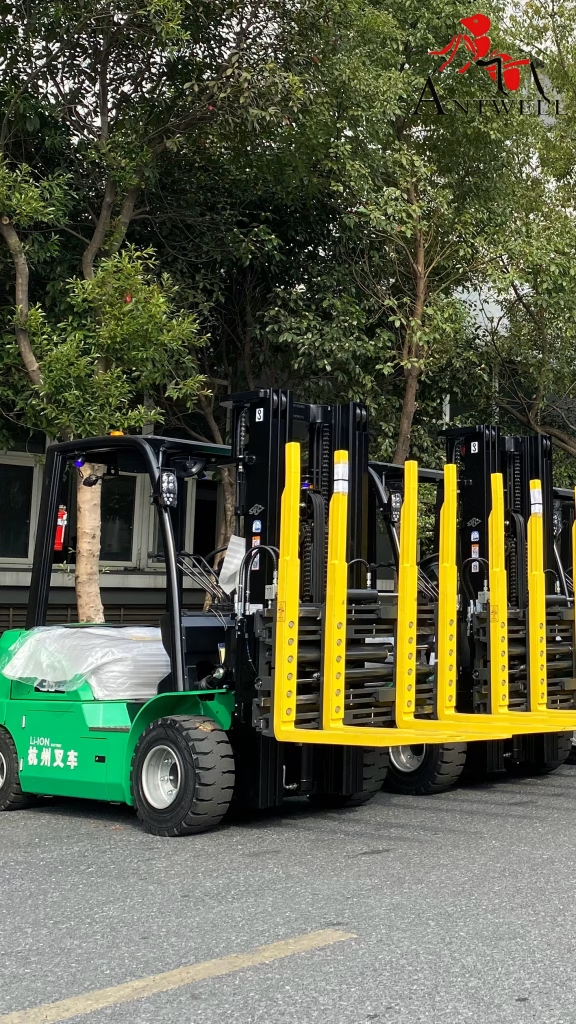
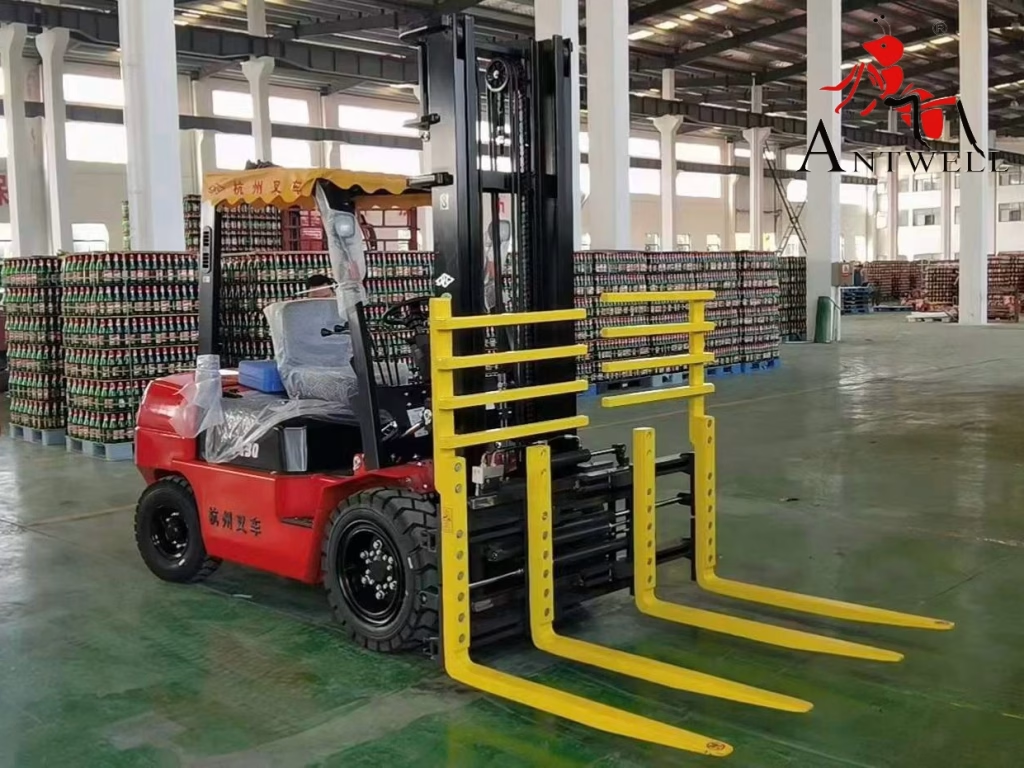
A Single-Double Pallet Handler is a hydraulic forklift attachment that enables operators to switch between single-pallet and double-pallet handling modes according to operational requirements.
By hydraulically opening and closing the fork sets, the attachment can securely handle one pallet or two pallets simultaneously. Compared with conventional forks, it significantly reduces forklift travel cycles, increases loading and unloading efficiency, and improves overall warehouse productivity.
Where Are Single-Double Pallet Handlers Used?
Single-Double Pallet Handlers are widely used wherever palletized goods need to be moved quickly and efficiently. Typical applications include:
- Beverage production and distribution
- Warehouses and logistics centers
- Brick manufacturing
- Stone processing
- Building materials
- Food and consumer goods
These industries benefit from faster pallet transportation, improved loading efficiency, and reduced operating costs.
Why Are They So Popular in the Beverage Industry?
The beverage industry was one of the earliest adopters of Single-Double Pallet Handlers.
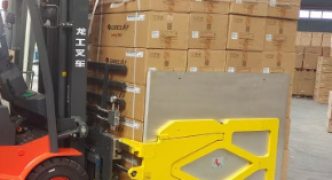
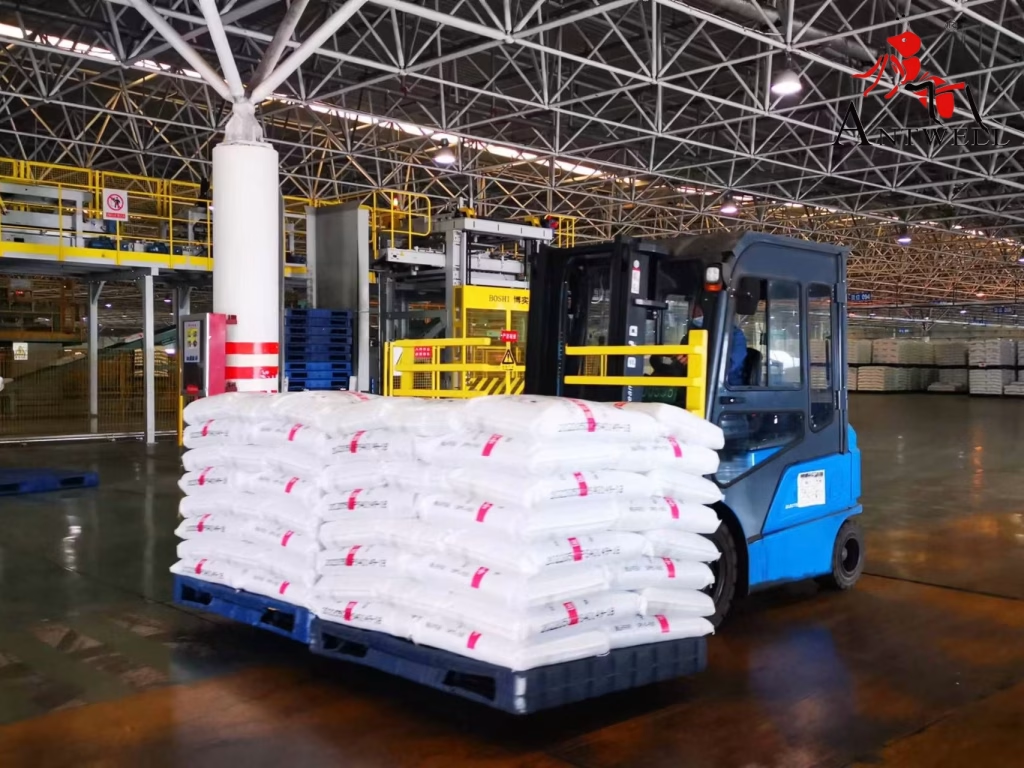
Since beverages are typically shipped in large palletized batches, forklifts spend a significant amount of time loading and unloading trucks. A Single-Double Pallet Handler allows operators to transport two fully loaded beverage pallets in a single trip, effectively doubling truck loading efficiency while reducing forklift travel time.
For operations with high daily throughput, this translates into substantial productivity gains.
Key Features
Single-Double Pallet Handlers are engineered for intensive material handling applications and offer several key features:
- Integral all-steel frame for high structural strength
- High-strength T-bars and double-sided guide slots for improved durability and wear resistance
- High-strength springs designed for long service life and reliable performance
- Standard sideshifting function with a total travel of 200 mm (±100 mm) for precise load positioning
- Standard fork shank height of 1400 mm
- Standard fork dimensions of 80 × 50 mm
- Optional fork specifications available according to customer requirements
- Optional Load Backrest for improved load stability
Advantages
Compared with conventional forklift forks, Single-Double Pallet Handlers provide several operational benefits:
- Transport one or two pallets with a single attachment
- Reduce forklift travel cycles
- Increase truck loading and unloading efficiency
- Improve warehouse productivity
- Lower overall operating costs
- Suitable for continuous, high-intensity operations
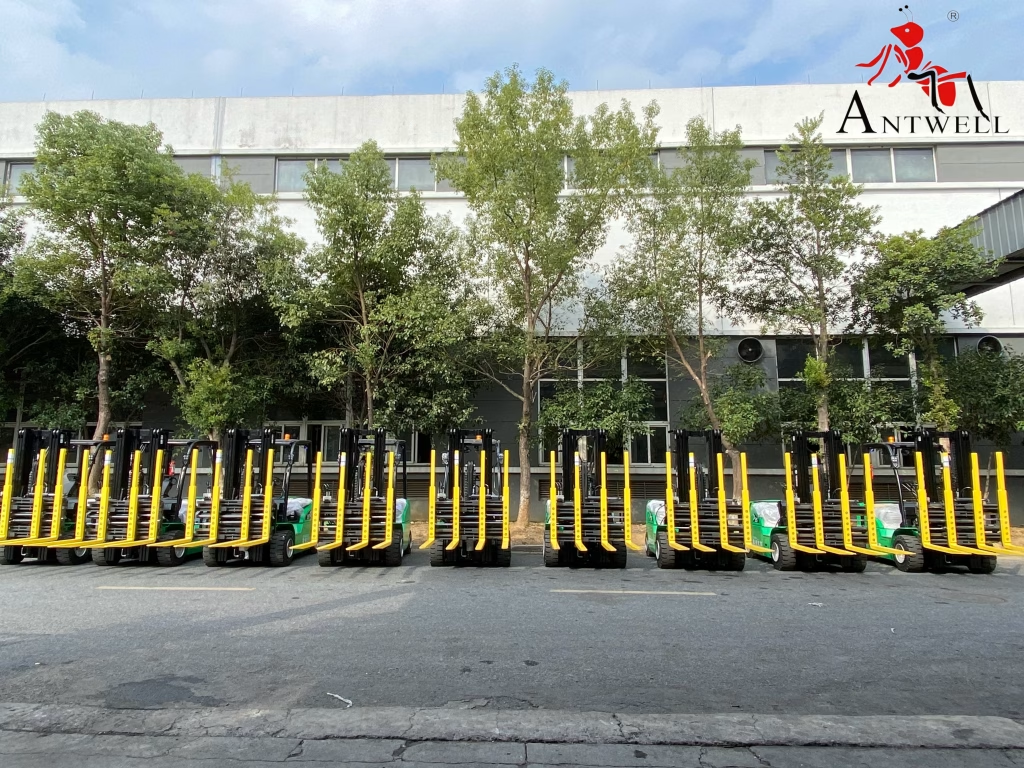
Typical Applications
Single-Double Pallet Handlers are suitable for handling palletized goods in various industries, especially where large quantities of products need to be transported efficiently.
Typical examples include:
- Beverage pallets
- Food products
- Building materials
- Consumer goods
- Industrial products stored on pallets
Frequently Asked Questions
1. Is the fork set spacing fixed?
No. The fork set spacing can be mechanically adjusted to 560 mm, 650 mm, or 700 mm according to operational requirements.
2. How many additional hydraulic circuits are required?
Two additional hydraulic circuits are required from the forklift.
3. What is the total sideshift range?
The standard sideshift range is 200 mm (±100 mm).
Conclusion
Whether you operate in beverage production, warehousing, logistics, or other pallet-handling industries, a Single-Double Pallet Handler can significantly improve material handling efficiency and reduce operating costs.
When selecting a Single-Double Pallet Handler, factors such as forklift capacity, pallet dimensions, load characteristics, and operating conditions should all be taken into consideration to ensure the most suitable configuration for your application.