Introduction
Forklifts are an essential part of modern material handling operations, especially in busy warehouses and distribution centers. As warehouses grow in size and complexity, so does the need for more efficient tools to optimize space, improve safety, and increase productivity. Among the many attachments available for forklifts, sideshifters stand out as one of the most important and versatile attachments in material handling.
A forklift sideshifter allows the forklift’s load to be moved horizontally, providing operators with greater flexibility and precision when stacking, unstacking, or aligning loads. This seemingly small adjustment can make a huge difference in warehouse efficiency, allowing forklifts to maneuver in tight spaces, reduce the risk of damage to goods, and speed up loading and unloading processes.
In this comprehensive guide, we will explore what forklift sideshifters are, how they work, the different types available, and how to choose the right one for your business. Whether you’re a warehouse manager looking to improve operations or a forklift operator keen on upgrading your equipment, this guide will equip you with the knowledge you need to make an informed decision.
What is a Forklift SideShifter?
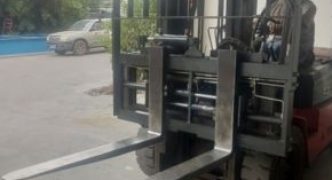
A forklift sideshifter is an attachment that allows the forklift’s forks to move horizontally. It enables the operator to shift the load sideways without needing to move the forklift itself. This feature is incredibly useful when it comes to maneuvering loads in tight spaces, such as narrow aisles or crowded warehouses, where precise placement is crucial.
While a forklift’s primary function is lifting and lowering loads, a sideshifter enhances its capability by adding lateral movement. This makes it easier to align the forklift with pallets, racks, and shelves, especially when dealing with stacked or tightly packed goods.
Think of it like an extra pair of hands for your forklift, allowing you to easily adjust the positioning of your load in a way that’s simply not possible with just the basic forklift operation. It’s a simple yet highly effective way to increase productivity and minimize the risk of accidents in the workplace.nt is crucial.
How Does a Forklift SideShifter Work?
A forklift sideshifter functions by allowing the forklift’s load to move left or right on the fork carriage. The operator controls the sideshifter from the forklift’s cabin using a lever or joystick, making it easy to shift the load without dismounting the forklift.
Key Components of a Forklift SideShifter:
- Fork Carriage: The part of the forklift that holds the forks and sideshifter attachment.
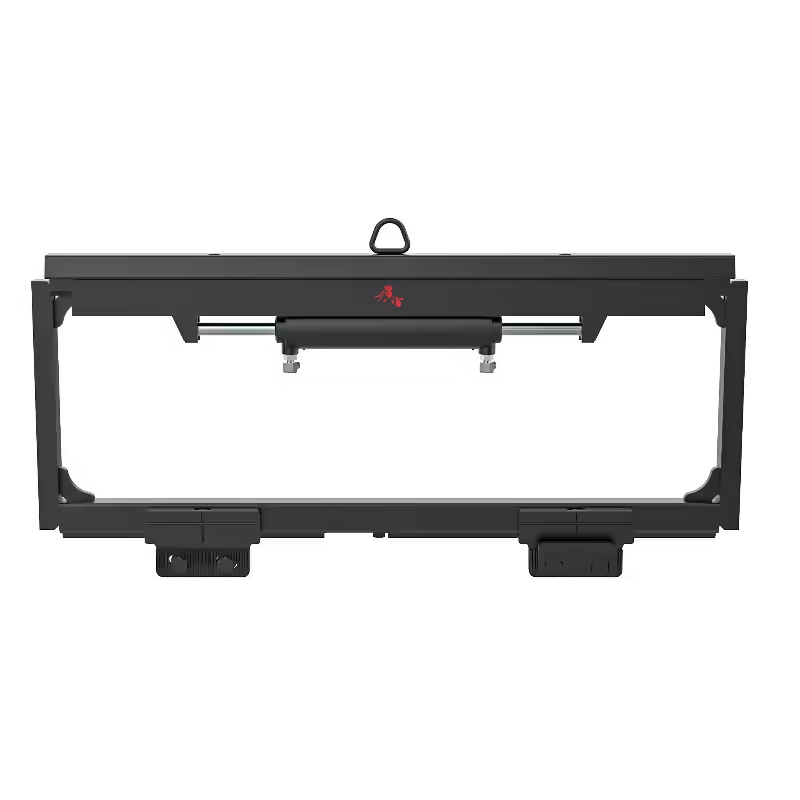
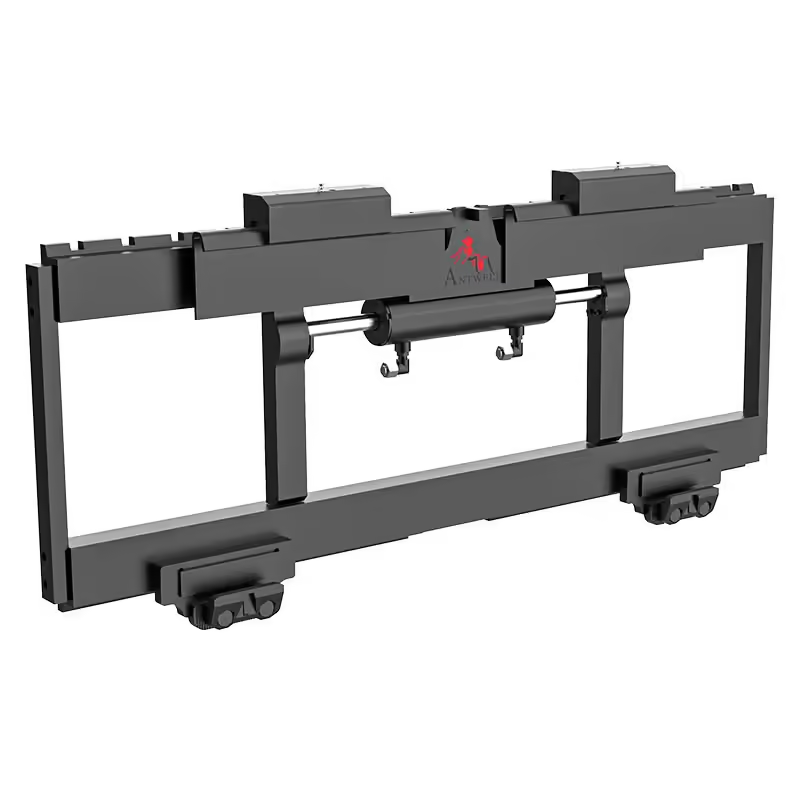
- Hydraulic Cylinder: Powers the movement of the sideshifter, allowing the load to shift sideways.
- Control Mechanism: A lever, joystick, or button inside the forklift’s cabin that allows the operator to control the movement of the sideshifter.
The sideshifter works by engaging the hydraulic system, which moves the carriage sideways without altering the forklift’s position. This is achieved through a simple yet effective mechanism that allows operators to maneuver loads precisely in environments where space is constrained.
Types of Forklift SideShifters
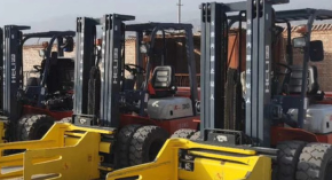
ANTWELL forklift sideshifters are available in two configurations to meet different load requirements. One type is designed for lighter-duty applications, featuring a compact structure and offering a more cost-effective solution for standard pallet handling. The other type provides higher load capacity with a reinforced structure, making it suitable for heavier loads and more demanding operating conditions. Selection should be based on actual load weight, forklift capacity, and specific application needs. In addition to the two hook-type sideshifter configurations mentioned above, we also offer integral sideshifters for forklift manufacturers. For more information or customized solutions, please feel free to contact us.
Key Considerations When Selecting a Forklift Sideshifter
Choosing the right sideshifter is essential to ensure safe operation, smooth installation, and optimal handling performance. When selecting a sideshifter, the following key points should be carefully considered:
① Capacity and Load Center
Proper capacity selection is crucial for safe operation and stability when handling various loads
② Mounting Class
The mounting class of the sideshifter must be compatible with the forklift. Correct matching ensures secure installation and long-term structural reliability during daily operations.
③ Carriage Width
The carriage width must match the forklift’s load backrest dimensions to ensure proper installation. When paired with ANTWELL load backrests, installation compatibility is ensured without additional confirmation.
④ Installation Hole Position
The installation hole positions are used to connect the sideshifter to the forklift carriage. Proper alignment of these mounting holes is essential to ensure secure fastening and structural stability. For special carriage designs or retrofit applications, hole position confirmation is recommended. When paired with ANTWELL backrests, installation compatibility is ensured without additional confirmation.
Installation and Maintenance of Forklift SideShifters
Proper installation and ongoing maintenance of your forklift sideshifter are crucial for ensuring that the equipment functions optimally and lasts for years. While the installation process can vary depending on the type of sideshifter you purchase, the general procedure and maintenance tips remain largely the same.
Installation of Forklift SideShifters
- Choose the Right SideShifter: Ensure compatibility with your forklift model.
- Prepare Your Forklift: Ensure the forklift’s hydraulic system is in working condition.
- Mount the SideShifter: Attach the sideshifter to the forklift’s carriage.
- Connect the Hydraulic System: Connect hydraulic hoses.
- Test the Installation: Test the sideshifter for smooth operation before use.
Maintenance of Forklift SideShifters
- Regularly Inspect the Hydraulic System: Check hoses, fluid levels, and hydraulic components for leaks or wear.
- Clean the SideShifter: Keep the sideshifter clean to prevent debris buildup.
- Check for Loose Parts: Periodically inspect parts for looseness.
- Lubricate Moving Parts: Apply lubrication to reduce wear and tear.
- Perform System Diagnostics: Address any performance irregularities promptly.
FAQs About Forklift SideShifters
Forklift sideshifters are a powerful tool in material handling, but many operators and businesses have specific questions about how they work, their compatibility, and their maintenance. Here are some of the most frequently asked questions (FAQs) regarding forklift sideshifters:
1. What is a forklift sideshifter used for?
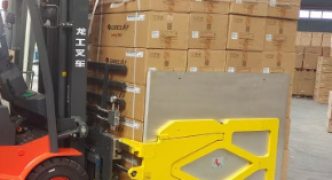
A forklift sideshifter is used to move the load horizontally without repositioning the forklift itself. This function is particularly useful in tight spaces such as narrow aisles or densely packed warehouses, where accurate load placement is essential. By allowing lateral adjustment of the forks, the sideshifter helps operators align pallets more precisely and improve handling accuracy during stacking and retrieval.
2. How much weight can a forklift sideshifter handle?
The load capacity of a forklift sideshifter depends on the specific model and configuration. ANTWELL forklift sideshifters are available in different capacity ranges, typically from 2,500 to 10,000 kg, to suit forklifts of various tonnages and operating conditions. To ensure safe and effective operation, please provide your actual load requirements, and we will help match the most suitable sideshifter model for your application.
3. What type of goods is a sideshifter compatible with?
Forklift sideshifters are primarily used in combination with forks to handle palletized loads. They are suitable for a wide range of pallet-based materials, including boxed goods, bagged products, and industrial components. The sideshifting function allows operators to fine-tune load positioning during pallet pickup and stacking, improving accuracy and handling efficiency.
4. What is the difference between a forklift sideshifter and a fork positioner?
Both forklift sideshifters and fork positioners are designed to improve load handling accuracy, but they serve different functions. A sideshifter moves the entire load laterally (left and right) for precise positioning, while a fork positioner adjusts the distance between the forks to accommodate different pallet widths. Fork positioners are ideal for handling pallets of varying sizes, whereas sideshifters are best suited for fine lateral alignment in confined or high-density storage environments.
6. Can sideshifters be used in narrow aisles?
Yes, sideshifters are particularly useful in narrow aisles where space is limited. By allowing operators to shift loads horizontally, forklifts with sideshifters can navigate these tight spaces more easily, preventing the need for additional maneuvers or repositioning of the forklift. This helps increase efficiency and minimize the risk of accidents or collisions in confined spaces.
7. How do I maintain a forklift sideshifter?
Proper maintenance of a forklift sideshifter includes regular inspection of the hydraulic system, lubrication of moving parts, and checking for loose bolts or parts. Additionally, it’s important to monitor the hydraulic fluid levels and ensure that hoses are intact and free from leaks. Keeping the sideshifter clean and free of debris will also prolong its lifespan and improve its functionality.
Conclusion
Forklift sideshifters are invaluable tools for enhancing the efficiency, safety, and productivity of your material handling operations. By allowing forklifts to shift loads laterally, sideshifters enable operators to navigate tight spaces with ease, reduce load damage, and increase throughput. When choosing the right sideshifter, it’s important to consider factors like capacity and load center, mounting class, carriage width and installation hole position.
With proper installation and maintenance, a forklift sideshifter can deliver significant long-term benefits, including improved space utilization, higher productivity, and lower operational costs. Investing in a quality sideshifter is a smart decision for any business looking to optimize their warehouse operations and stay competitive in today’s fast-paced market.