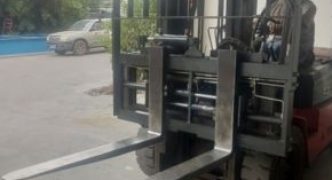
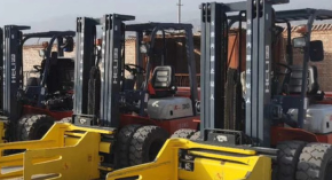
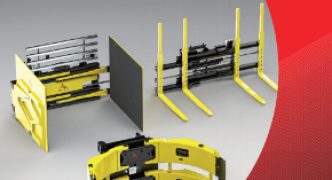
Forklift attachments are specialized tools designed to enhance the functionality, efficiency, and versatility of forklifts. By equipping a forklift with the right attachment, businesses can adapt to various operational needs, improve productivity, and ensure safer material handling. In this blog, we will explore the definition, types, applications, and benefits of forklift attachments, as well as key factors to consider when choosing them. Due to the wide variety of forklift attachments, this blog cannot cover all related information but will aim to provide the most comprehensive overview possible.If you have any questions after reading, please don’t hesitate to leave a message below or get in touch with us. Our sales team will assist you as soon as possible.
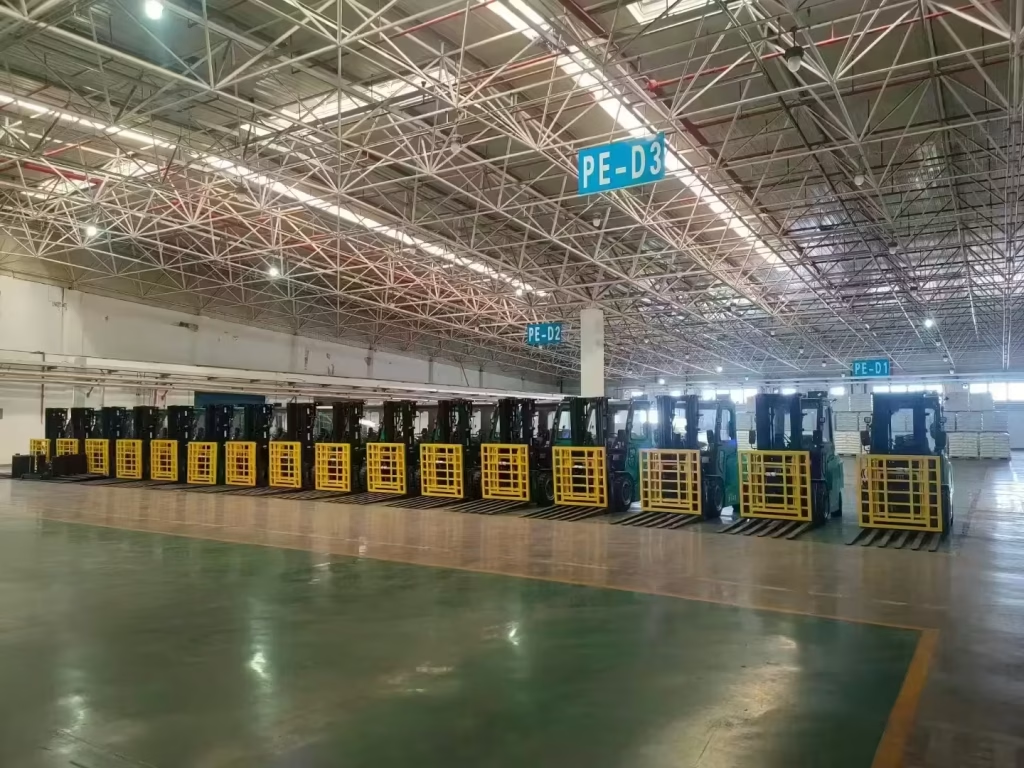
The Role of Forklift Attachments
Forklifts are essential in industries such as logistics, warehousing, manufacturing, construction, and agriculture. However, the standard forks on a forklift may not always meet the specific handling requirements of different tasks. Forklift attachments address this limitation by modifying or expanding the capabilities of the machine to lift, carry, push, or manipulate loads more effectively.
Types of Forklift Attachments
Forklift attachments come in a wide range of designs tailored to various industries and applications. Here are some of the most common types:
Sideshifters: Allow the forklift operator to move the load horizontally without moving the entire vehicle. This increases precision and efficiency, especially in tight spaces.
Fork Positioners: Enable the operator to adjust the spacing between the forks hydraulically, making it easier to handle loads of different sizes.
Rotators: Allow the forks to rotate, making it possible to empty containers or reposition loads. They are commonly used in industries like food processing and recycling.
Clamps:
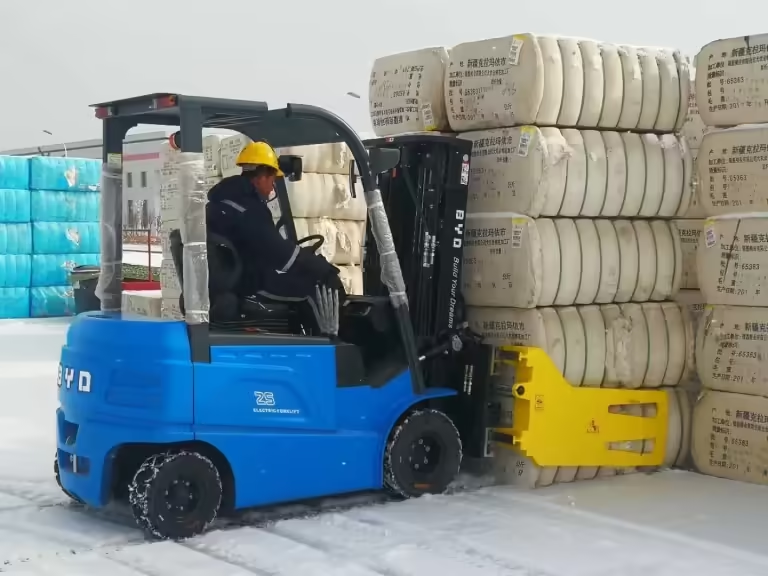
Bale Clamps: Designed for handling baled materials such as textiles, paper, or cotton.
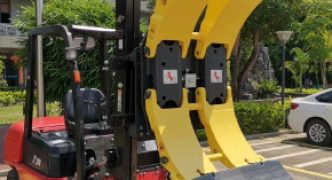
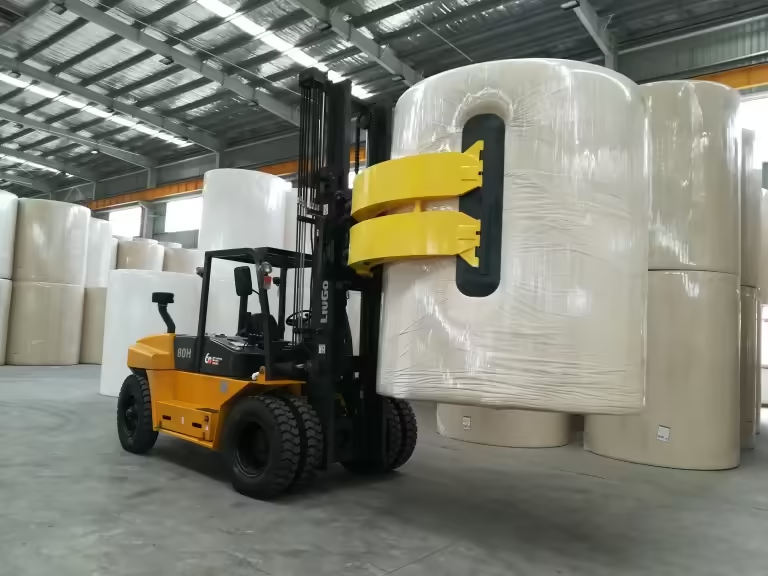
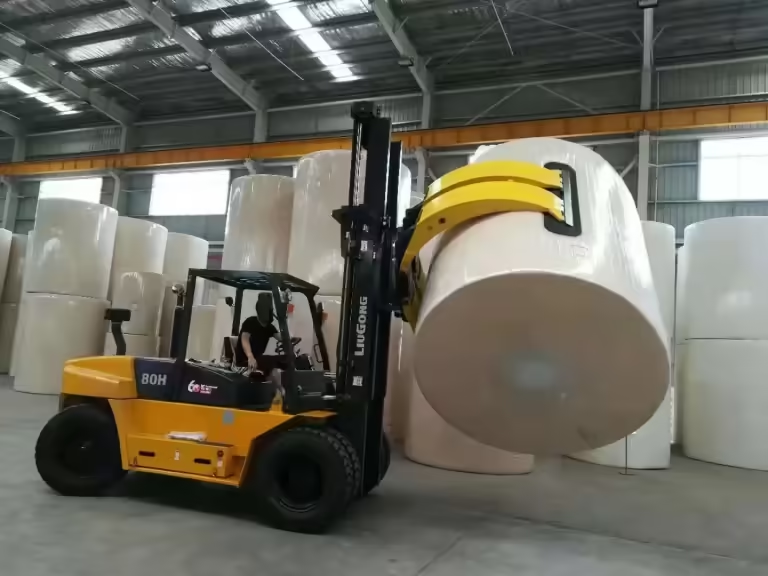
Paper Roll Clamps: Used in the paper industry to handle large rolls of paper without causing damage.
Drum Clamps: Ideal for securely handling drums and barrels.
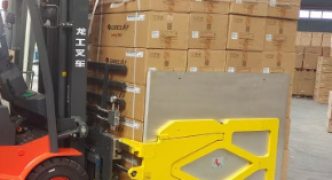
Carton Clamps: Specially designed for handling cartons, particularly in the home appliance industry
Push/Pull Attachments: Used to handle loads on slip sheets instead of pallets, reducing the need for traditional wooden pallets.
Pallet Inverters: Allows users to retain pallets in-house, reducing the total pallet inventory required.
Multiple Load Handlers: Allow the forklift to carry multiple pallets simultaneously, increasing efficiency in high-volume operations.
Fork Extensions: Extend the length of the forks to handle longer loads safely.
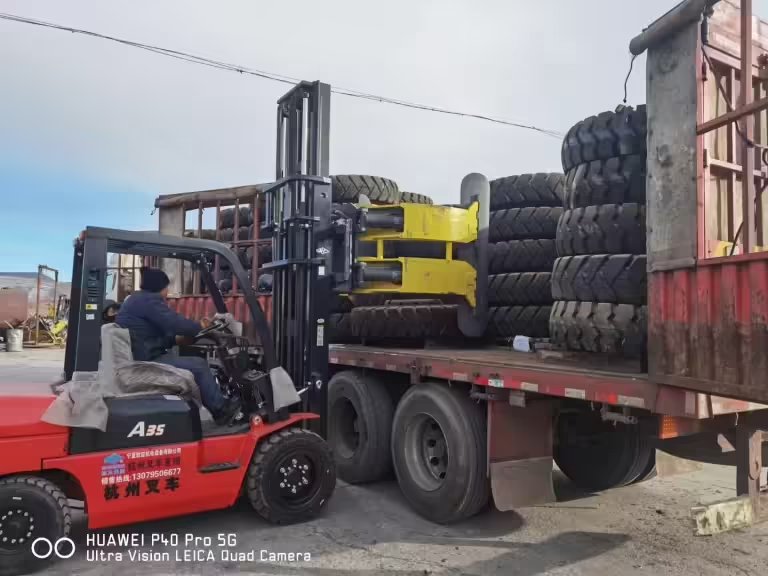
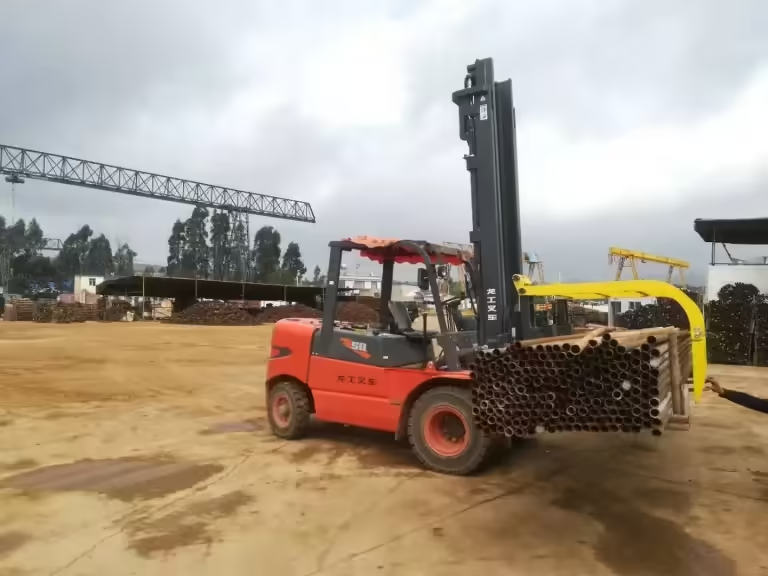
Heavy Duty Attachments: Specifically designed for handling extremely heavy or oversized loads (block, concrete pipes, tires, etc.) in industries such as construction, steel, and shipping.
Mechanical Attachments: These non-hydraulic attachments rely on mechanical mechanisms to perform specific tasks. Examples include snow plows and sweeper attachments, coil booms, and cranes. They provide a cost-effective and low-maintenance solution, ideal for environments where hydraulic systems may not be suitable.


Applications of Forklift Attachments
Forklift attachments are used across various industries, enabling specialized handling and operational efficiency. Here are some detailed examples:
Logistics and Warehousing: In these industries, forklift attachments like fork positioners and sideshifters play a crucial role in efficiently organizing and transporting goods. Multiple load handlers are invaluable in high-volume operations where multiple pallets need to be moved at once, while reach forks (or also called “Telescopic forks”) help reach deep shelving in modern warehouses.
Manufacturing: Forklift attachments are indispensable on production lines, where they handle raw materials, components, and finished products. For example, rotators are frequently used in food processing to empty containers, while drum clamps handle chemical barrels safely in manufacturing plants.
Agriculture: Attachments such as bale clamps and fork extensions are vital in agriculture for moving hay bales, feed, and other farm supplies. Rotators and push/pull attachments can also be used for handling agricultural produce packaged on slip sheets instead of pallets.
Construction: Forklifts equipped with specialized attachments like block clamps, concrete pipe clamps, or hinged pipe clamps help manage heavy construction materials, including pipes, steel coils, and oversized loads.
Recycling and Waste: In this sector, rotators, bale clamps, fork clamps and other attachments are used to lift and empty bins, transport recyclable materials, and handle scrap metal or paper rolls efficiently. These attachments ensure precision and reduce the risk of spills.
Retail and Distribution: Retailers use forklift attachments such as push/pull devices to manage goods on slip sheets instead of pallets, optimizing storage and transportation space. Fork positioners also allow operators to adjust quickly to different load sizes, improving turnaround times. Layer Pickers are used to handle single or multiple layers of canned & bottled products, beverage warehouses and distribution facilities benefit from its speed and versatility.
Food and Beverage: Paper roll clamps and drum clamps are often utilized in food and beverage industries for handling packaging materials and liquid containers safely. Rotators are used to pour liquids or manage packaged goods during production.
Paper and Packaging: In the paper and packaging industries, specialized attachments like paper roll clamps and bale clamps are essential for handling large rolls of paper, cardboard, and baled packaging materials. These attachments ensure damage-free handling, especially for fragile or cylindrical loads, and improve efficiency in loading, unloading, and stacking operations.
Aviation and Automotive: In the aviation and automotive industries, specialized attachments handle delicate or heavy parts such as engines, tires, and vehicle components. Attachments like fork positioners ensure secure transport while maintaining operational precision.
Ports and Shipping: At ports, forklift attachments are critical for managing containers, heavy cargo, and palletized goods. Load extenders, sideshifters and cranes facilitate loading and unloading from ships or trucks efficiently.
Benefits of Forklift Attachments
Increased Versatility: Attachments allow forklifts to perform multiple tasks, reducing the need for specialized equipment.
Improved Efficiency: They enable faster handling of loads, minimizing downtime and maximizing productivity.
Enhanced Safety: Proper attachments reduce the risk of accidents by ensuring loads are securely handled.
Cost Savings: Investing in versatile attachments can eliminate the need for additional machines, lowering capital expenditure. Using appropriate forklift attachments can also reduce losses caused by damage to goods during handling.
Customization: Attachments can be tailored to meet specific operational needs, improving performance.

Factors to Consider When Choosing Forklift Attachments
Selecting the right forklift attachment requires careful consideration of the following factors:
Load Type and Weight: Ensure the attachment can handle the weight and dimensions of the load, and that it is appropriate for the specific type of load being handled.
Forklift Capacity : Attachments add weight to the forklift, which can affect its lifting capacity. Always check the forklift’s rated capacity with the attachment installed.
Application Requirements: Choose an attachment that aligns with your specific operational needs.
Durability and Quality: Opt for high-quality attachments from reputable manufacturers to ensure longevity and reliability.
Installation and Maintenance: Consider attachments that are easy to install, operate and maintain. Additionally, verify that the attachment’s mounting class and connectors are compatible to ensure proper installation and safe operation.
New Trends in Forklift Attachments
AGV Attachments
As Automated Guided Vehicles (AGVs) become more prevalent in material handling, the demand for AGV-compatible attachments is on the rise. These attachments are designed to integrate seamlessly with AGV systems, enabling automated lifting, stacking, and load transportation without human intervention. Smart attachments equipped with sensors and communication systems can interact with AGVs to enhance operational precision and efficiency. This trend is particularly beneficial for industries aiming to adopt fully automated warehouses and production facilities.
Electrical Attachments
With the growing adoption of electric forklifts, there is an increasing focus on developing attachments optimized for electric-powered equipment. Electrical attachments often feature energy-efficient designs that complement the eco-friendly nature of electric forklifts. Additionally, advancements in battery technology allow for longer operational hours, making these attachments more reliable for intensive applications. These attachments, operating without hydraulic oil, also reduce noise and vibration levels, creating a safer, cleaner, and more comfortable working environment.
Conclusion
Forklift attachments are indispensable tools for businesses looking to enhance the efficiency, safety, and adaptability of their material handling operations. By understanding the various types and applications of forklift attachments, you can select the right tools to optimize your workflows and achieve operational excellence. Whether you need to lift heavy rolls of paper, handle fragile drums, or clear snow, there is a forklift attachment designed for your needs. Investing in the right attachments is not just about improving performance—it’s about future-proofing your operations.