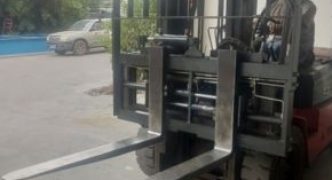
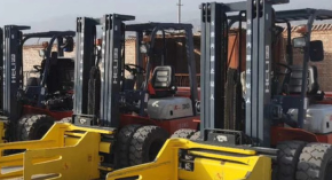
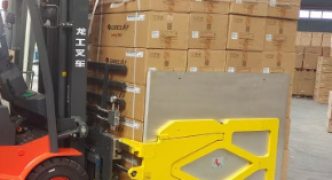
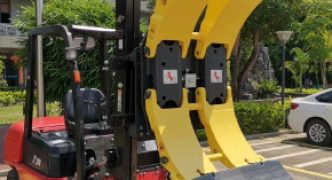
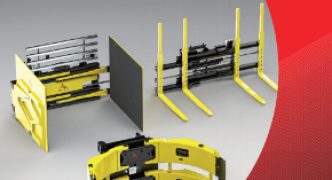
Forklift attachments have completely transformed modern material handling. Instead of being limited to simple pallet transport, today’s forklifts can lift drums, push snow, rotate loads, clamp paper rolls, sweep warehouses, and even function as mini cranes. Whether you operate a warehouse, construction site, port, farm, or recycling facility, choosing the right forklift attachment can dramatically improve efficiency, safety, and profitability.
This complete 2025 guide to forklift attachments explains everything you need to know—types, industry uses, prices, safety standards, compatibility, and buying strategies—so you can make the smartest investment for your business.
What Is a Forklift Attachment?
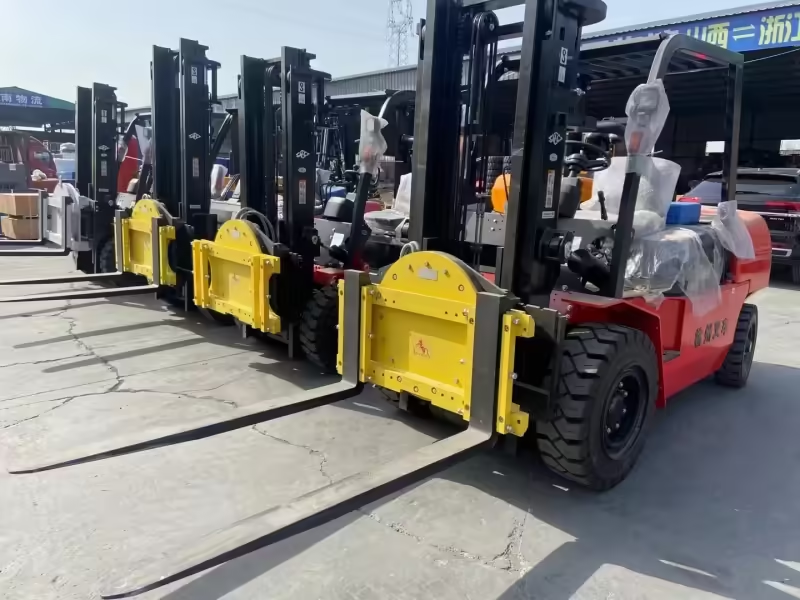
A forklift attachment is a specialized tool mounted onto a forklift that allows it to perform tasks beyond normal pallet lifting. Instead of using only standard forks, operators can use attachments to:
- Grip, rotate, or clamp loads
- Push, scoop, dump, or sweep material
- Lift awkward shapes like pipes, drums, and bales
- Handle bulk goods efficiently
Forklift attachments are widely used across warehousing, logistics, construction, agriculture, manufacturing, ports, recycling, cold storage, and chemical industries. They convert a single forklift into a multi-purpose material handling machine, reducing the need for multiple pieces of equipment.
Types of Forklift Attachments and Their Uses
There are dozens of forklift attachments designed for specific tasks. Below are the most widely used and high-demand types.
Forklift Fork Extensions
Fork extensions slide over standard forks to handle long or oversized loads safely.
Used for:
- Lumber yards
- Pipes and steel bars
- Long pallets
- Oversized cartons
Key Benefits:
- Increased load reach
- Better load balance
- Affordable solution for long materials
Always follow fork extension load capacity rules and OSHA safety limits.
Forklift Bucket Attachment
A forklift bucket attachment allows a forklift to work like a loader.
Common applications:
- Construction sites
- Sand, gravel, and soil handling
- Bulk material transfer
- Waste cleanup
- Concrete pour buckets
Bucket attachments are extremely popular in construction and waste management due to their versatility.
Forklift Side Shifter & Fork Positioner
These are essential for warehouse productivity.
- Side shifter: Moves forks left or right without repositioning the forklift
- Fork positioner: Adjusts fork spacing hydraulically
Used in:
- Narrow aisle warehouses
- High-speed logistics centers
- Cold storage operations
These attachments improve load accuracy, speed, and operator safety.
Forklift Clamp Attachment
Clamp attachments grip loads instead of lifting from below.
Popular clamp types:
- Bale clamp (agriculture, cotton, recycling)
- Paper roll clamp (printing industry)
- Carton clamp (packaged goods)
Clamps eliminate the need for pallets and increase space efficiency.
Forklift Drum Handling Attachment
Designed to lift, rotate, and pour industrial drums.
Common uses:
- Chemical plants
- Oil and lubricants
- Food processing
- Pharmaceutical manufacturing
Drum rotators allow controlled pouring, reducing spills and workplace accidents.
Forklift Lifting Jib (Crane Attachment)
This attachment turns a forklift into a mobile crane.
Used for:
- Pipe handling
- Steel structures
- Machinery installation
- Heavy suspended loads
It is very popular in metal fabrication and construction industries.
Forklift Snow Plow & Sweeper Attachment
Designed for outdoor yard maintenance.
- Snow plow attachments clear snow from yards, docks, and parking lots
- Sweeper attachments remove dust, debris, and loose material
They are widely used in logistics yards, ports, and industrial facilities.
Tipping Skip & Hopper Attachment
These allow forklifts to transport and dump waste or bulk material.
Used in:
- Recycling plants
- Scrap yards
- Waste management
- Manufacturing cleanup
They increase productivity and reduce manual handling risks.
Forklift Attachments by Industry Application
Different industries require different attachment solutions.
Warehouse & Logistics
- Side shifters
- Fork positioners
- Carton clamps
- Fork extensions
Improve speed, load precision, and pallet handling efficiency.
Construction Industry
- Bucket attachments
- Crane jibs
- Snow plows
- Concrete buckets
Ideal for lifting, cleaning, and transporting raw materials.
Agriculture & Farming
- Bale clamps
- Drum handlers
- Hopper attachments
Used for hay bales, fertilizers, feed, and chemicals.
Ports, Containers & Shipping Yards
- Container handling attachments
- Heavy-duty fork extensions
- Clamps for bulk cargo
Support high-capacity material flow and port logistics efficiency.
Recycling & Waste Management
- Tipping skips
- Hopper attachments
- Bale clamps
Used to manage scrap, plastic, paper, and recyclable waste safely.
Manufacturing & Metal Industry
- Pipe handling attachments
- Coil handling clamps
- Lifting jibs
Used for precision material handling and heavy industrial lifting.
How to Choose the Right Forklift Attachment (Step-by-Step)
Choosing the wrong attachment can cause accidents, load failure, or forklift damage. Here’s how to choose correctly:
Determine Load Weight & Size
Always consider:
- Maximum load weight
- Load dimensions
- Center of gravity
Attachments reduce the original rated lifting capacity of the forklift.
Check Forklift Compatibility
Confirm:
- ITA mounting class
- Hydraulic functions required
- Carriage width & type
Evaluate Stability Impact
Attachments shift the load forward, reducing stability. Always account for:
- Load center shift
- Counterweight limits
- Mast tilt effect
Identify Indoor vs Outdoor Use
- Indoor: side shifters, clamps, fork positioners
- Outdoor: buckets, snow plows, sweepers
Match Industry-Specific Needs
Each industry has specialized handling requirements. Choose accordingly.
Are Forklift Attachments Universal?
No, forklift attachments are NOT universal. Compatibility depends on:
- ITA mounting class (Class II, III, IV, V)
- Carriage width & mounting hooks
- Hydraulic flow requirements
- Forklift brand & model
Many modern systems use quick attach mounting, which allows faster changeovers but still requires compatibility verification.
Forklift Attachment Safety Standards & OSHA Compliance
Forklift attachments must comply with OSHA safety standards to prevent workplace accidents.
Key Safety Rules:
Attachments must be approved by the forklift manufacturer
Operators must be trained for attachment-specific use
Load capacity must be recalculated with every attachment
Attachments must be inspected daily
Overloading is strictly prohibited
Failure to comply can lead to:
- Tip-over accidents
- Structural damage
- OSHA fines
- Serious worker injuries
Forklift Attachment Prices & Cost Breakdown (2025)
Forklift attachment prices vary based on type, size, and manufacturer.
| Attachment Type | Price Range (USD) |
|---|---|
| Fork Extensions | $300 – $1,200 |
| Side Shifter | $300 – $4,500 |
| Fork Positioner | $700 – $7,000 |
| Drum Handler | $900 – $3,800 |
| Bale Clamp | $1,500 – $9,000 |
| Paper Roll Clamp | $3,000 – $9,000 |
| Carton Clamp | $3,600 – $5,500 |
| Rotators | $1,500 – $10000 |
| Push/Pulls | $3,000 – $5,000 |
| Tire Handlers | $3,000 – $2,0000 |
| Single-Double Pallet Handler | $3,500 – $5,000 |
| L-Series Broke Clamps | $2,000 – $5,000 |
| Hing Fork Carriages | $1,000 – $3,000 |
| Telescopic Forks | $2,000 – $3,000 |
Rental Option: Many suppliers offer daily, weekly, and monthly forklift attachment rentals for short-term projects.
New vs Used Forklift Attachments – Which Is Better?
New Attachments – Pros:
- Manufacturer warranty
- Maximum safety & lifespan
- Latest design & safety standards
Used Attachments – Pros & Risks:
- Lower upfront cost
- No warranty
- Possible hidden damage
- Higher future repair costs
Used forklift attachments are safe only when:
- Certified by an equipment technician
- Thoroughly inspected for cracks, leaks, and wear
- Used within load limits
Custom Forklift Attachment – When Standard Is Not Enough
A company’s customization capability is a true measure of its technical strength, innovation, and commitment to meeting unique customer needs. When standard solutions fall short, only a manufacturer with strong customization expertise can deliver reliable, efficient, and perfectly matched equipment.
Forklift Attachment for Sale – How to Buy from the Right Supplier
Before buying forklift attachments, always check:
- Supplier certifications
- OEM approvals
- Load test documentation
- Spare parts availability
- Installation & training support
- Warranty terms
You can buy attachments from:
- Manufacturer-direct suppliers
- Authorized equipment dealers
- Industrial eCommerce platforms
Top 10 Most Common Forklift Attachments and Their Uses
- Fork extensions
- Side shifter
- Fork positioner
- Bucket attachment
- Drum handler
- Bale clamp
- Lifting jib
- Snow plow
- Tipping skip
- Paper roll clamp
These attachments account for over 80% of global forklift attachment demand.
Frequently Asked Questions (FAQ)
What is the most common forklift attachment?
Fork extensions and side shifters are the most widely used worldwide.
Which forklift attachment is best for warehouses?
Side shifters, fork positioners, and carton clamps.
Do forklift attachments reduce lifting capacity?
Yes. Every attachment reduces the forklift’s rated capacity and must be recalculated.
Are forklift attachments OSHA approved?
Only if they are manufacturer-approved and used within OSHA operating limits.
How long do forklift attachments last?
With proper maintenance, 8–15 years depending on usage and environment.
Can forklift attachments be rented?
Yes, rental is widely available for construction and seasonal projects.
Which attachment is best for construction?
Block clamps, dual-purpose block clamps, bell-shape block clamps, p-series bell-shape block clamps, l-series bell-shape block clamp.
What attachment is used for lifting pipes?
Concrete pipe clamps, steel pipe clamps, hinged pipe clamps.
Final Conclusion: Boost Productivity with the Right Forklift Attachment
Forklift attachments are no longer optional—they are essential productivity tools in modern material handling. The right attachment improves:
*Efficiency
*Operator safety
*Load stability
*Equipment utilization
*Business profitability
Whether you operate in warehousing, construction, agriculture, manufacturing, ports, or recycling, investing in the correct forklift attachment delivers long-term performance and substantial cost savings.