In modern warehousing and logistics operations, companies are constantly looking for ways to reduce pallet costs, maximize storage space, and improve handling efficiency. One increasingly popular solution is palletless handling using slip sheets.
The Push Pull is specifically designed for this purpose. As a proven and widely used forklift attachment, it enables efficient and reliable handling of goods placed on slip sheets instead of traditional pallets.
1. What Is a Push Pull?
A Push Pull is a hydraulic forklift attachment designed to handle loads placed on slip sheets rather than conventional pallets.
Its operation is based on two main actions:
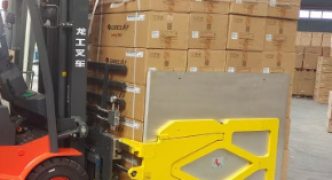
Pull – The attachment grips the slip sheet and pulls the load from the ground, racks, or containers onto the forklift.
Push – The load is then smoothly pushed off the forks into the desired unloading position.
This simple yet effective mechanism allows forklifts to move slip sheets loads quickly and safely.
2. Why Use a Push Pull?
·Reduce pallet costs
Traditional wooden pallets involve not only purchasing costs but also expenses related to maintenance, storage, and management. By replacing pallets with slip sheets, companies can significantly reduce these costs.
·Improve storage and transport efficiency
Slip sheets are much thinner than pallets, which allows goods to be stacked more compactly. This improves warehouse space utilization and container loading capacity, helping businesses transport more goods in the same space.
·Support more sustainable logistics
Reducing the use of wooden pallets helps lower wood consumption and contributes to more sustainable logistics operations.
3. Types of ANTWELL Push Pulls
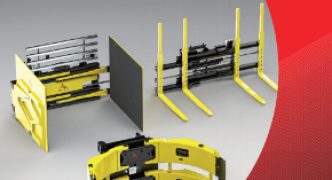
To meet different installation methods and slip sheet handling requirements, ANTWELL offers two main Push Pull series: Standard Push Pulls and Quick-Mount Push Pulls. Each series is available in Sheet Saved and Sheet Not Saved configurations to suit different logistics systems.
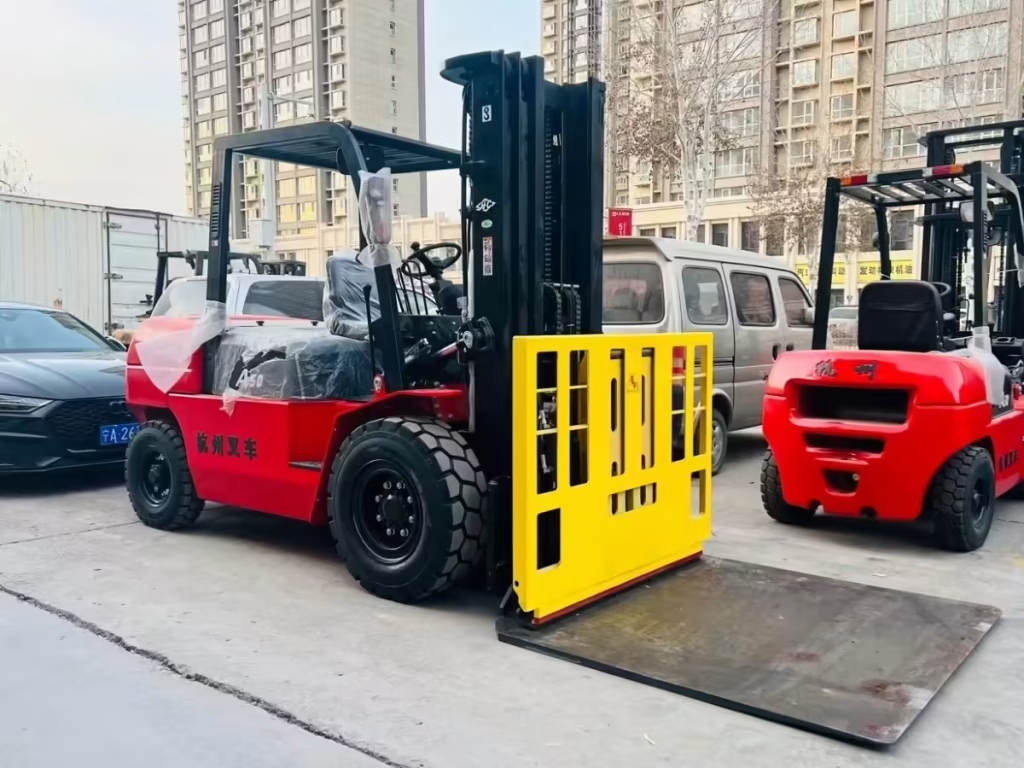
① Standard Push Pull – Sheet Saved
During unloading, the slip sheet can be clamped and retrieved by the Push Pull for reuse. This option is suitable for customers who want to control slip sheet costs and reuse them within their logistics operations.
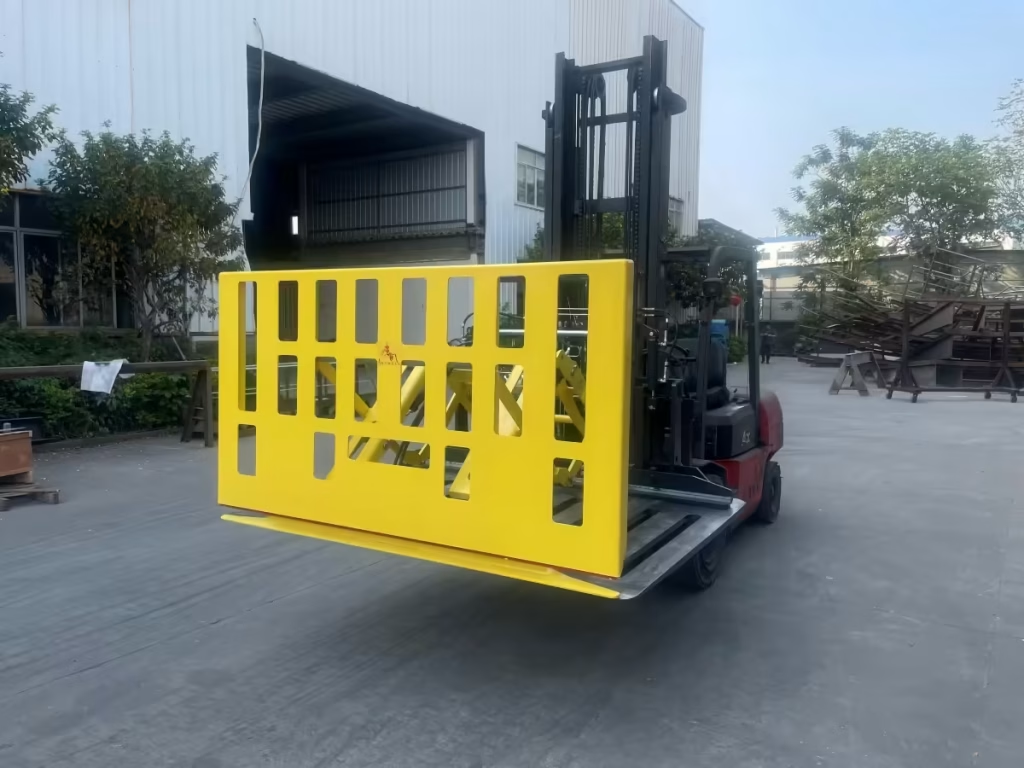
② Standard Push Pull – Sheet Not Saved
During unloading, the slip sheet remains under the load and moves together with the goods. This configuration is commonly used when slip sheets circulate with the goods or when the receiving side also uses Push Pulls for handling.
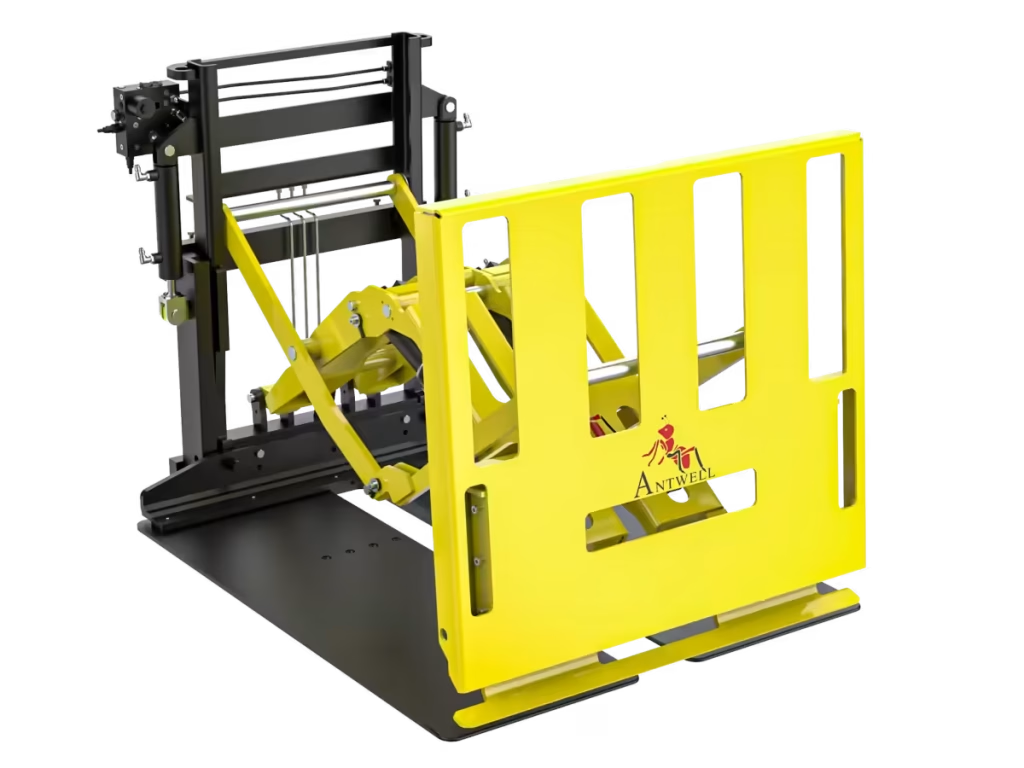
③ QFM Push Pull – Sheet Saved
This model features a quick-mount design that works together with the forklift forks, eliminating the need to remove the original forks. As a result, installation is faster and operation is more flexible, while allowing the slip sheets to be retrieved.
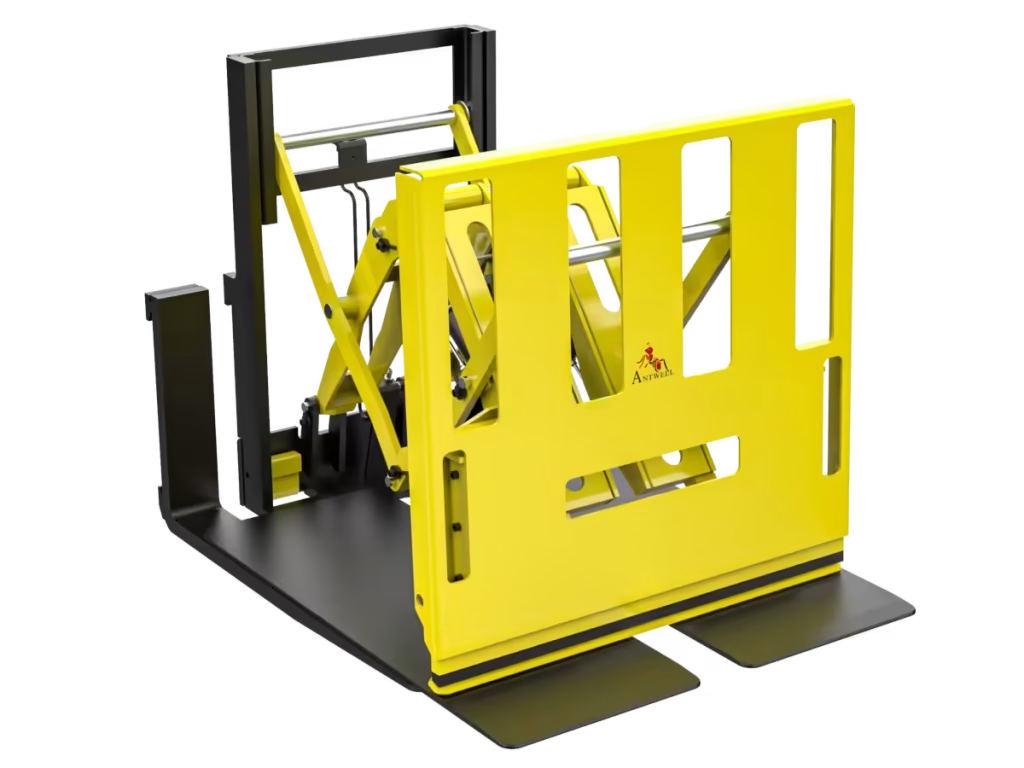
④ QFM Push Pull – Sheet Not Saved
This model also adopts a quick-mount structure and operates together with the forklift forks. In this configuration, the slip sheet remains under the load and cannot be retrieved by the Push Pull.
4. Common Applications of Push Pulls
Push Pull attachments perform particularly well in import and export logistics and container stuffing and destuffing operations. By reducing pallet usage, they help companies optimize storage space and lower overall logistics costs.
They are commonly used to handle bagged goods such as seeds, agricultural products, and cement, as well as packaged products like food, electronics, cosmetics, and bottled beverages.
For this reason, Push Pull attachments have become essential handling tools in many container logistics operations, ports, and warehouses.
5. Conclusion
Push Pull attachments are helping more companies transition to efficient and cost-effective palletless handling systems.
If your operation is considering reducing pallet usage and improving container loading efficiency, ANTWELL Push Pull is a reliable solution.
For more information about our Push Pull attachments, feel free to contact our sales team. We would be happy to help you find the right solution for your application.