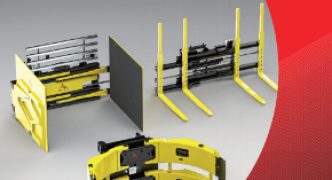
Key Role of Forklift Attachments in the Construction Industry
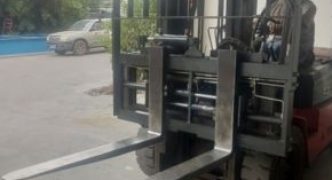
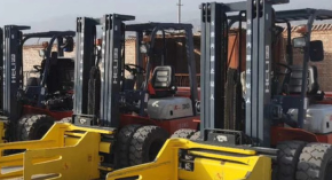
Forklift attachments are widely used on construction sites, where they significantly improve material handling efficiency, reduce manual intervention, and enhance operational safety. Construction sites often require the handling of heavy and bulky materials, and ANTWELL’s forklift attachments enable forklifts to exhibit greater flexibility in these complex work environments.
Types and Functions of Relevant Attachments
Block Handlers:
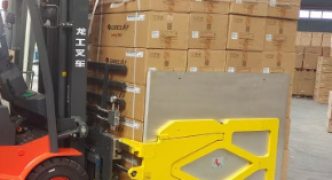
Designed specifically for handling and stacking materials such as bricks, stones, and precast concrete, block clamps securely grip the materials and ensure their safe transport. They are ideal for palletless handling and stacking of materials such as floor tiles, aerated blocks, and stones.
①Block Clamps: With its simple structure and high reliability, it is a commonly used and economical handling solution in the construction industry.
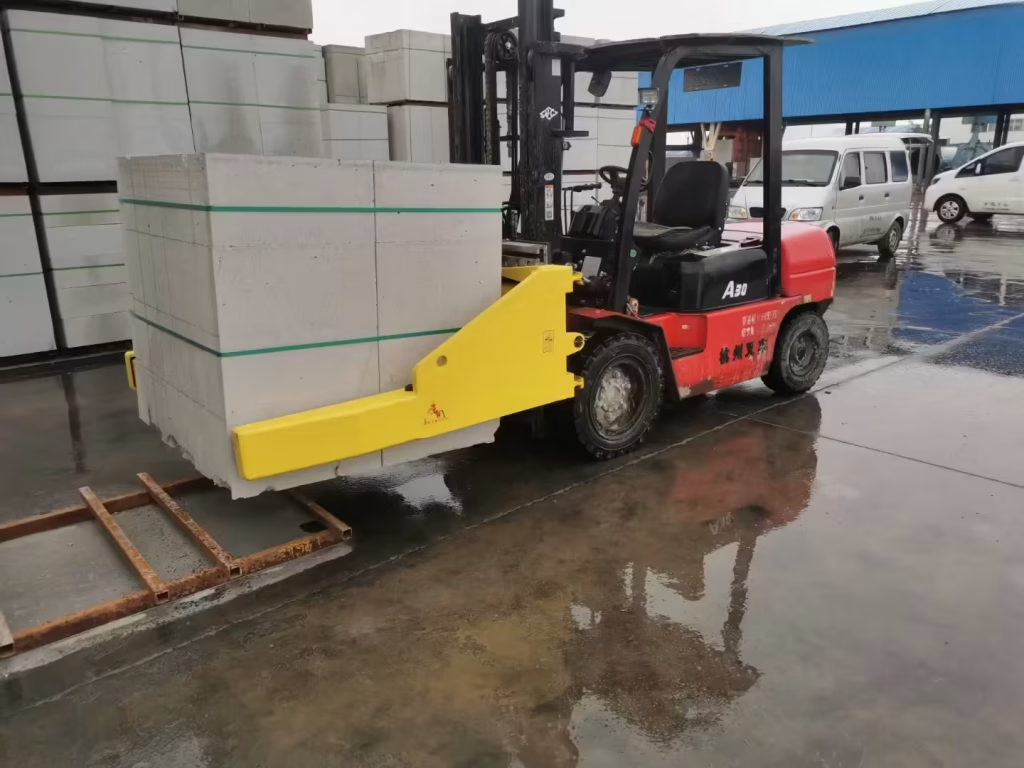
②Dual-Purpose Block Clamps: Combining both fork clamp and block clamp, dual-purpose block clamps allow for seamless switching between the two modes, significantly improving production efficiency.
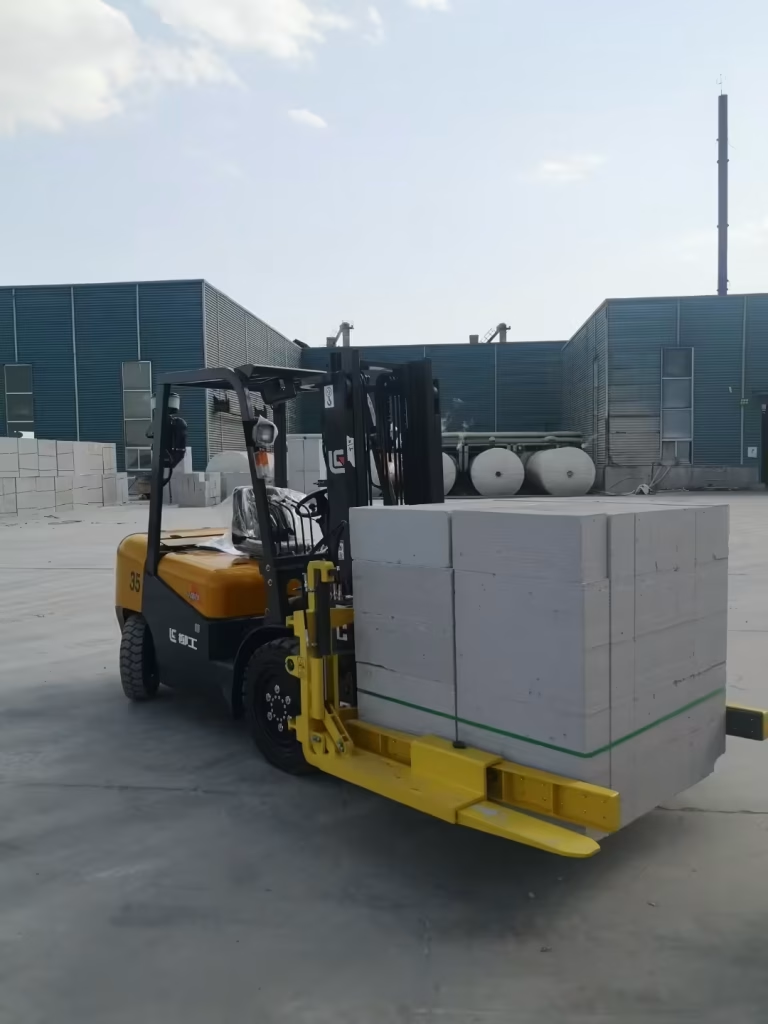
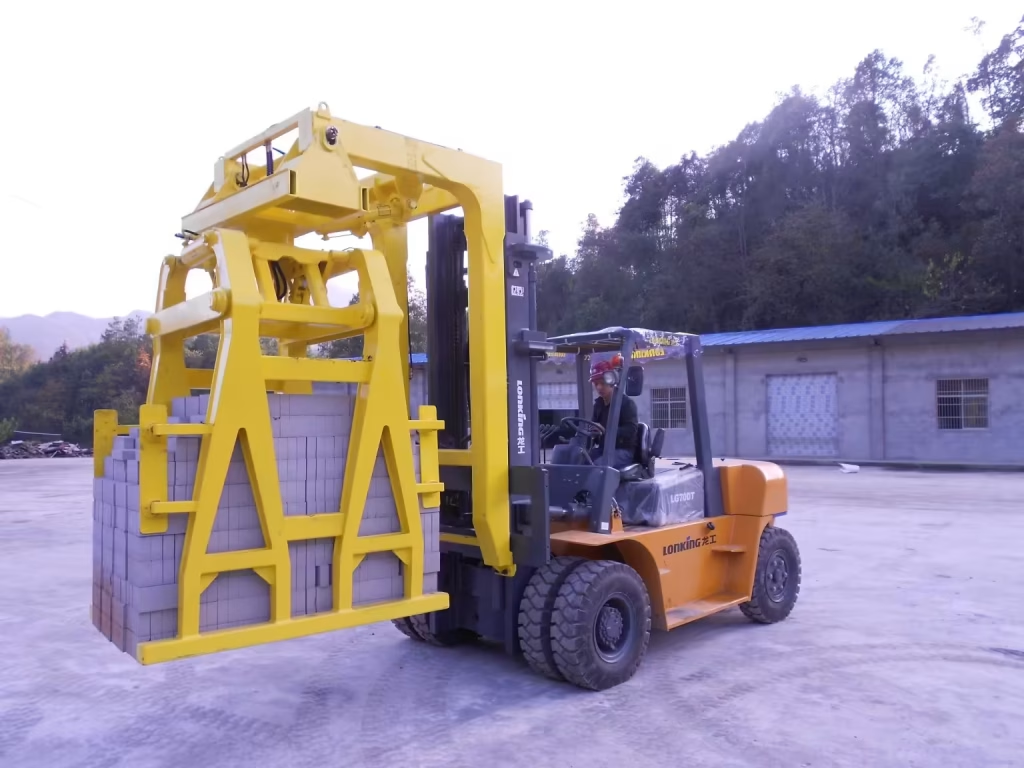
③Bell-Shape Block Clamps: Designed for efficient top-down clamping of blocks, and its all-steel bell-shaped structure ensures stability during the handling process. The rotating design also facilitates stacking operations. Users can also choose more cost-effective L-series bell-shape block clamps or P-series bell-shape block clamps based on specific operating conditions.
Pipes Handlers:
Designed specifically for handling and stacking various types of pipes. Depending on the specific operational needs, users can choose different types of clamps to handle single or multiple pipes.
①Concrete Pipe Clamps: The concrete pipe clamps are made with a high-strength all-steel frame, providing great load-bearing capacity and impact resistance. It ensures safe and stable handling of various cement and concrete pipes.
②Steel Pipe Clamps: Designed for handling steel pipes, this clamp is equipped with tilt function (forward 45°/backward 14°), making loading and unloading easier.
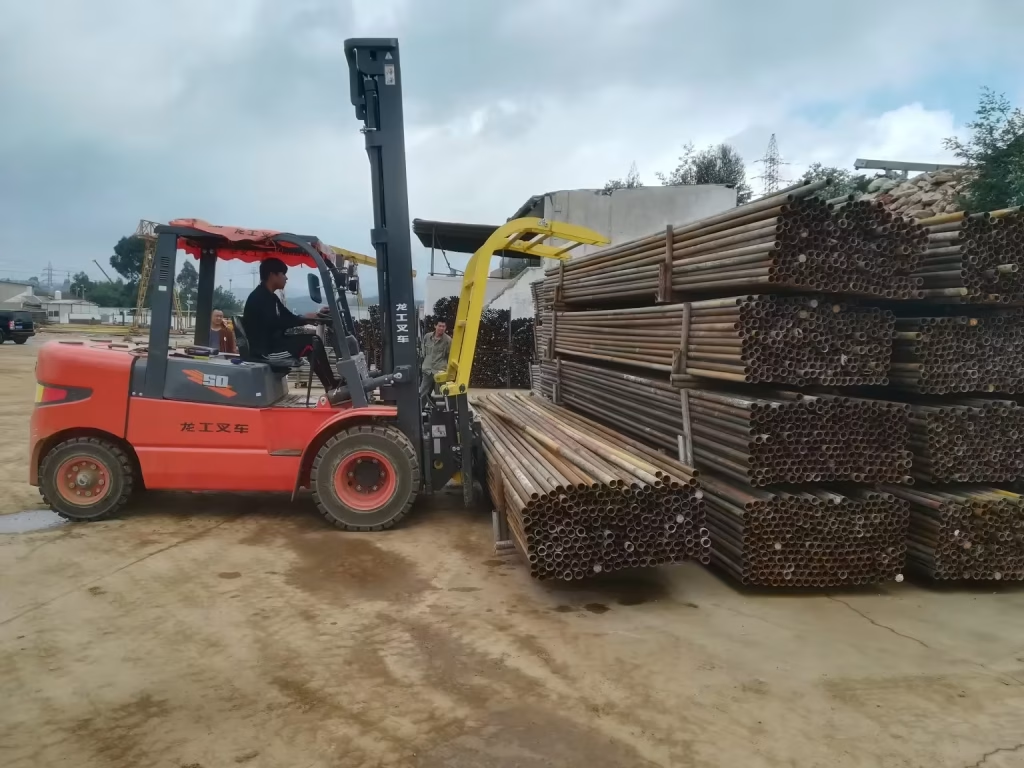
③Hinged Pipe Clamps: This clamp features a tilt function (forward 45°/backward 45°), allowing for the tilting and unloading of pipes. The arms’ opening range is adjustable, making it flexible to handle different lengths of PVC pipes and other lightweight pipes.
Broke Clamps:
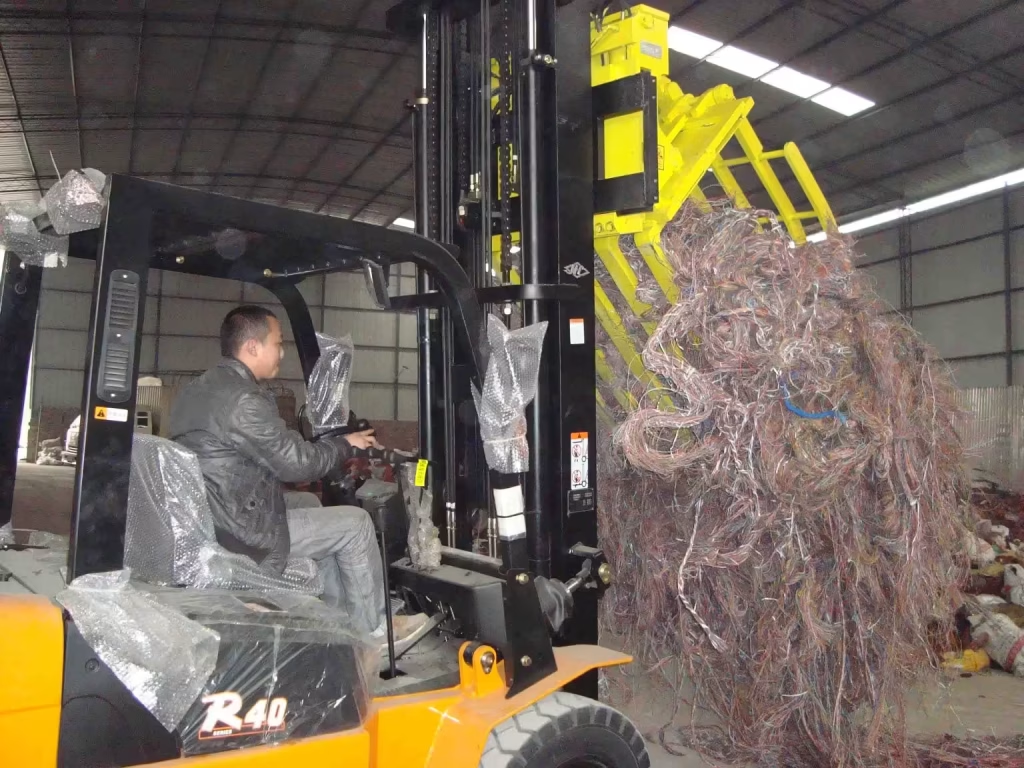
Broke clamps effectively grip and transport various types of construction waste, such as scrap paper, metal, and wood. They help construction sites efficiently clear waste and improve worksite productivity.
①L-Series Broke Clamps: Depending on the type of waste material to be handled, users can choose to equip with either forks or a tipping bucket. When fitted with forks, it is suitable for clamping waste such as waste paper; when fitted with a tipping bucket, it can be used to handle loose materials such as gravel and sand.
②H-series Broke Clamps: Multiple forks are welded onto the rear panel, providing higher clamping force and stability. This design allows for more effective handling of irregularly sized and easily scattered waste materials, such as wires and rebar.
R-series Bulk Bag Clamps:
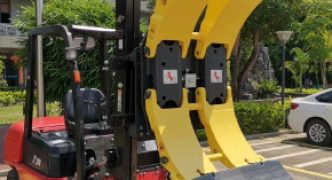
ANTWELL’s R-series bulk bag clamp is a patented product. Its innovative design adds a long rod that can be inserted into the bulk bag, building upon the basic clamp. When the bulk bag is rotated and inverted, the long rod holds the bag in place, ensuring the material inside is completely unloaded. This feature allows our R-series bulk bag clamp to provide more efficient and precise operation when handling large quantities of bulk materials, making it particularly suitable for applications requiring complete unloading.
Inverta Push:
Inverta push are suitable for safely and efficiently handling soft bagged materials such as cement. They are ideal for operations requiring rotation or palletless unloading. They ensure stable transport of soft bagged goods, reduce material damage, and improve operational efficiency. Inverta push are widely used in the construction industry and other fields where soft bagged materials are handled.
Rotators:
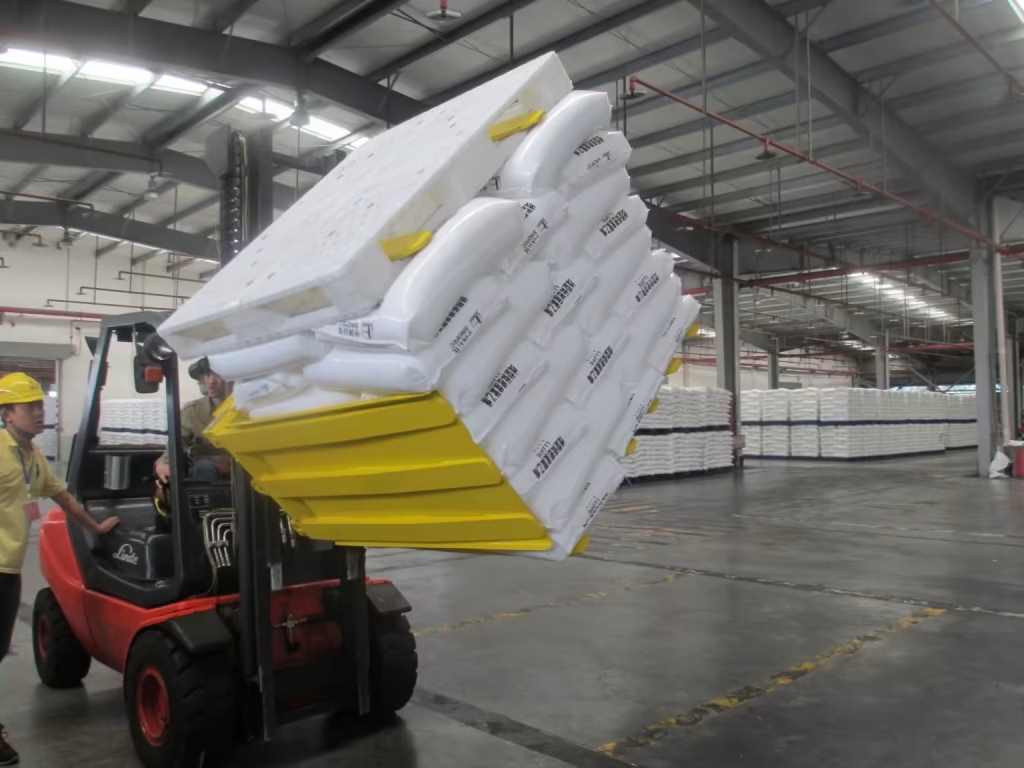
Rotators allow flexible adjustment of the load’s angle and unloading posture during material handling. They can perform material rotation, alignment, and dumping tasks, making them ideal for the transfer of bulk, block, or irregularly shaped construction materials on site. This significantly simplifies material stacking and unloading, improving overall operational flexibility and efficiency.
Fork Positioners:
As a commonly used forklift attachment, Fork positioners allow quick adjustment of the fork spacing via hydraulics, accommodating different pallet sizes, building components, and material dimensions. They efficiently handle various construction materials such as cement, rebar, precast elements, and wall tiles, making it easier to transport mixed materials and improving material transfer efficiency on construction sites.
Application Scenarios
Material Handling: Forklift attachments can quickly and precisely handle materials such as cement, bricks, stones, and pipes.
Stacking Operations: Attachments such as block clamps, inverta push, and pipes handlers can precisely stack building materials, ensuring the stability of material stacks.
Waste Disposal: On construction sites, broke clamps help efficiently clear construction waste, reducing the time spent on waste transport.
Why Forklift Attachments Are Needed in Construction?
Increase Efficiency: Reduces manual labor, optimizes material handling and stacking operations, significantly boosting work efficiency.
Reduce Costs: Helps users minimize reliance on pallets and save on manual handling costs.
Enhance Safety: The right attachments ensure the stability of material handling processes, reducing the risk of accidents.
Adapt to Different Operational Needs: With a wide range of attachments, users can select the most suitable tools for specific construction project needs and adapt to various work scenarios.
Choosing the Right Forklift Attachment
When selecting forklift attachments, users should consider the specific needs of their site, such as the type of materials, the working environment, and the weight and size of the loads. Choosing the appropriate attachment can maximize work efficiency and ensure operational safety. If you’re unsure about which attachment to choose, feel free to contact us. We and our technical team are dedicated to providing tailored and optimal selection recommendations, helping you achieve more efficient material handling solutions.